Cuboid Syndrome From Pronated Feet

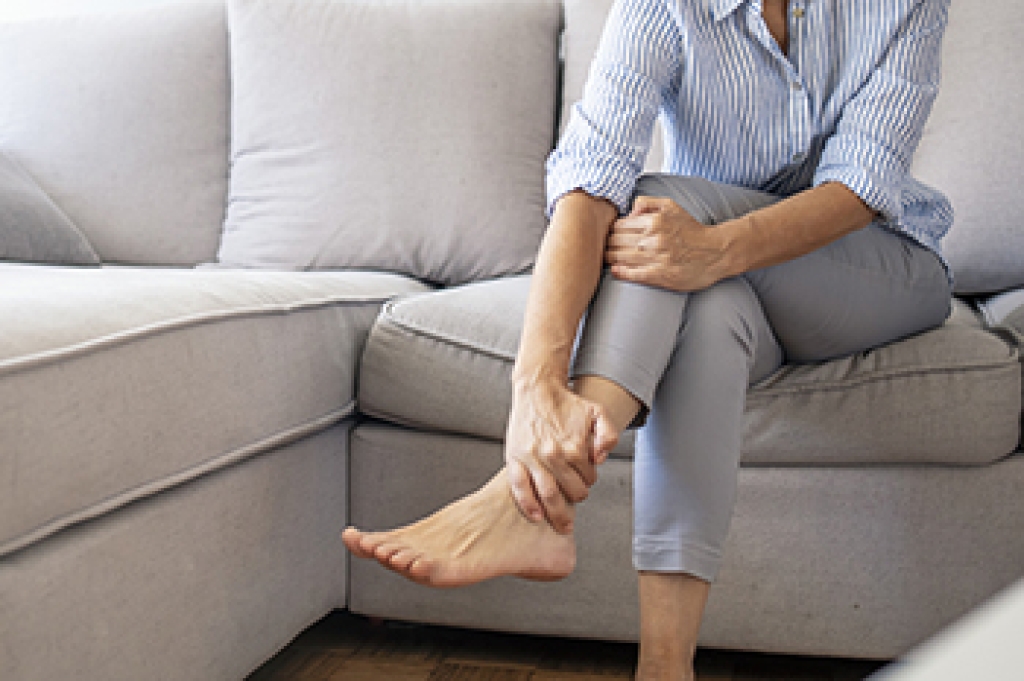
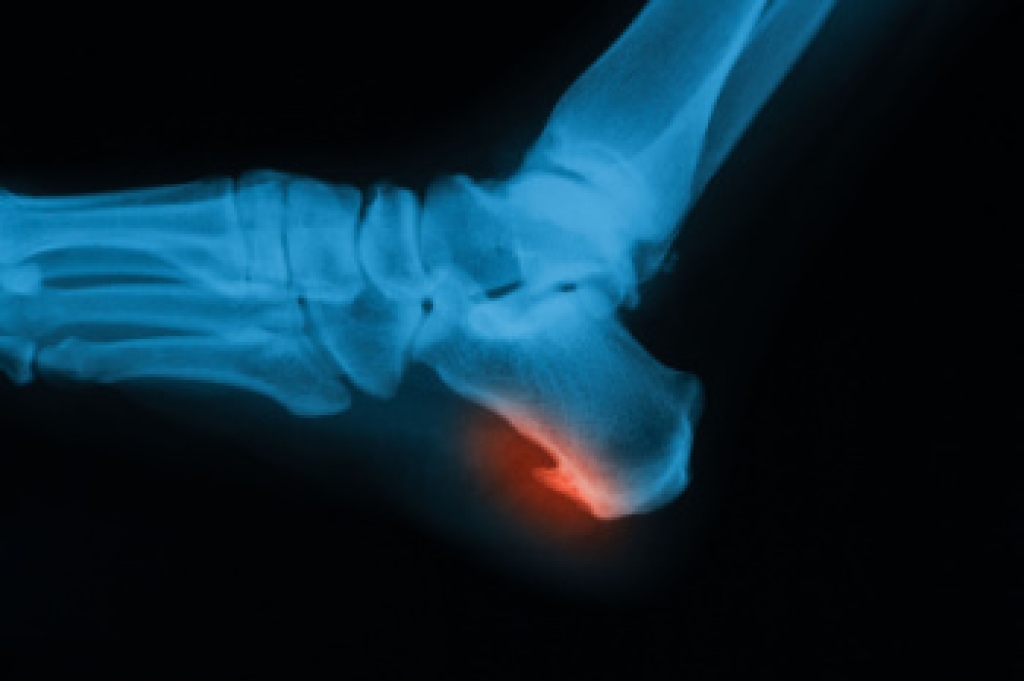
Cuboid syndrome is a particular kind of foot condition that primarily affects the cuboid bone, located on the outside of the foot. There are various potential causes for cuboid syndrome such as overuse and sprained ankles. However, pronated feet is an important reason cuboid syndrome can develop. Pronated feet occur when the feet slightly roll in while walking and running. This condition can ultimately lead to cuboid syndrome because tightened calf muscles associated with pronation can move the cuboid bone out of place. As a result, cuboid syndrome can ensue. If you are someone that struggles with pronation in the feet, it is suggested that you contact a podiatrist today for treatment options and advice.

Cuboid syndrome, also known as cuboid subluxation, occurs when the joints and ligaments near the cuboid bone in the foot become torn. If you have cuboid syndrome, consult with Scott Samera, DPM from Samera / Foot + Ankle. Our doctor will assess your condition and provide you with quality foot and ankle treatment.

Cuboid syndrome is a common cause of lateral foot pain, which is pain on the outside of the foot. The condition may happen suddenly due to an ankle sprain, or it may develop slowly overtime from repetitive tension through the bone and surrounding structures.

Causes

The most common causes of cuboid syndrome include:

  • Injury – The most common cause of this ailment is an ankle sprain.
  • Repetitive Strain – Tension placed through the peroneus longus muscle from repetitive activities such as jumping and running may cause excessive traction on the bone causing it to sublux.
  • Altered Foot Biomechanics – Most people suffering from cuboid subluxation have flat feet.

Symptoms

A common symptom of cuboid syndrome is pain along the outside of the foot which can be felt in the ankle and toes. This pain may create walking difficulties and may cause those with the condition to walk with a limp.

Diagnosis

Diagnosis of cuboid syndrome is often difficult, and it is often misdiagnosed. X-rays, MRIs and CT scans often fail to properly show the cuboid subluxation. Although there isn’t a specific test used to diagnose cuboid syndrome, your podiatrist will usually check if pain is felt while pressing firmly on the cuboid bone of your foot.

Treatment

Just as the range of causes varies widely, so do treatments. Some more common treatments are ice therapy, rest, exercise, taping, and orthotics.

If you have any questions, please feel free to contact our office located in Lake City and Branford, FL . We offer the newest diagnostic and treatment technologies for all your foot care needs.

Read more about Cuboid Syndrome

Poor Circulation of the Feet

Poor blood circulation can cause the feet to feel cold, numb, or tingly. It can also cause dry skin on the feet and brittle toenails. This happens because there is an interference with blood delivery of vital oxygen and nutrients to the feet. Poor circulation can make wounds heal slower and increase the risk of infection. Lifestyle changes may help some patients, and others may have to take medicine to widen blood vessels. Though vitamins and supplements cannot cure circulation problems, they may provide relief from symptoms. If you have signs of poor circulation in your feet, it is strongly suggested that you visit a podiatrist as quickly as possible who can determine what the cause is, and offer advice on treatment. 

While poor circulation itself isn’t a condition; it is a symptom of another underlying health condition you may have. If you have any concerns with poor circulation in your feet contact Scott Samera, DPM of Samera / Foot + Ankle. Our doctor will treat your foot and ankle needs.

Poor Circulation in the Feet

Peripheral artery disease (PAD) can potentially lead to poor circulation in the lower extremities. PAD is a condition that causes the blood vessels and arteries to narrow. In a linked condition called atherosclerosis, the arteries stiffen up due to a buildup of plaque in the arteries and blood vessels. These two conditions can cause a decrease in the amount of blood that flows to your extremities, therefore resulting in pain.

Symptoms

Some of the most common symptoms of poor circulation are:

  • Numbness
  • Tingling
  • Throbbing or stinging pain in limbs
  • Pain
  • Muscle Cramps

Treatment for poor circulation often depends on the underlying condition that causes it. Methods for treatment may include insulin for diabetes, special exercise programs, surgery for varicose veins, or compression socks for swollen legs.

As always, see a podiatrist as he or she will assist in finding a regimen that suits you. A podiatrist can also prescribe you any needed medication. 

If you have any questions, please feel free to contact our office located in Lake City and Branford, FL . We offer the newest diagnostic and treatment technologies for all your foot care needs.

Read more about Causes Symptoms and Treatment for Poor Circulation in the Feet

Exercise Can Help to Prevent Falling

Falling can cause serious injuries. The feet are often affected, and this can compromise the ability to complete daily activities. Having the eyes checked regularly can help to update existing eyeglasses, in addition to having routine physical examinations for medication checks. The living environment can be made safer by implementing simple fall prevention techniques, such as improving lighting in the household and removing worn rugs. Some people find it beneficial to install grab bars in the shower and toilet area, in addition to using non-skid bath mats. It is wise to wear shoes that fit correctly, and keeping items in a lower cabinet may make them easier to reach. Engaging in a gentle exercise program can be helpful in keeping the body strong while improving balance. Tai Chi and yoga are good examples of this. If you would like more information about effective fall prevention methods, it is suggested that you contact a podiatrist who can provide you with the information you are seeking. 

Preventing falls among the elderly is very important. If you are older and have fallen or fear that you are prone to falling, consult with Scott Samera, DPM from Samera / Foot + Ankle. Our doctor will assess your condition and provide you with quality advice and care.

Every 11 seconds, an elderly American is being treated in an emergency room for a fall related injury. Falls are the leading cause of head and hip injuries for those 65 and older. Due to decreases in strength, balance, senses, and lack of awareness, elderly persons are very susceptible to falling. Thankfully, there are a number of things older persons can do to prevent falls.

How to Prevent Falls

Some effective methods that older persons can do to prevent falls include:

  • Enrolling in strength and balance exercise program to increase balance and strength
  • Periodically having your sight and hearing checked
  • Discuss any medications you have with a doctor to see if it increases the risk of falling
  • Clearing the house of falling hazards and installing devices like grab bars and railings
  • Utilizing a walker or cane
  • Wearing shoes that provide good support and cushioning
  • Talking to family members about falling and increasing awareness

Falling can be a traumatic and embarrassing experience for elderly persons; this can make them less willing to leave the house, and less willing to talk to someone about their fears of falling. Doing such things, however, will increase the likelihood of tripping or losing one’s balance. Knowing the causes of falling and how to prevent them is the best way to mitigate the risk of serious injury.  

If you have any questions, please feel free to contact our office located in Lake City and Branford, FL . We offer the newest diagnostic and treatment technologies for all your foot care needs.

Read more about Falls Prevention

Signs You May Have a Broken Toe

Most broken toes are the result of falling, dropping something heavy on it, or bumping it into a hard object. Symptoms of a broken, rather than sprained, toe include severe throbbing pain that does not subside, swelling, bruising, and redness of the skin. The inability to put weight on the toe is another sign, as standing or walking is likely to send shooting pain up through the body. Worse, it may even cause you to lose your balance and fall. A telltale sign of a broken toe is a popping or cracking noise heard when the injury occurs. If you have a broken toe it will become extremely tender to the touch. Putting on shoes, or even socks, may become impossible to bear. An obvious sign that a toe is broken is if the bone becomes visible through a break in the skin. Besides being painful, the toe is then more likely to be exposed to infection. Further, if not properly healed, this can lead to a permanent deformity. If you are experiencing any of these symptoms, it is suggested that you make an appointment with a podiatrist for treatment. 

A broken toe can be very painful and lead to complications if not properly fixed. If you have any concerns about your feet, contact Scott Samera, DPM from Samera / Foot + Ankle. Our doctor will treat your foot and ankle needs.

What to Know About a Broken Toe

Although most people try to avoid foot trauma such as banging, stubbing, or dropping heavy objects on their feet, the unfortunate fact is that it is a common occurrence. Given the fact that toes are positioned in front of the feet, they typically sustain the brunt of such trauma. When trauma occurs to a toe, the result can be a painful break (fracture).

Symptoms of a Broken Toe

  • Throbbing pain
  • Swelling
  • Bruising on the skin and toenail
  • The inability to move the toe
  • Toe appears crooked or disfigured
  • Tingling or numbness in the toe

Generally, it is best to stay off of the injured toe with the affected foot elevated.

Severe toe fractures may be treated with a splint, cast, and in some cases, minor surgery. Due to its position and the pressure it endures with daily activity, future complications can occur if the big toe is not properly treated.

If you have any questions, please feel free to contact our office located in Lake City and Branford, FL . We offer the newest diagnostic and treatment technologies for all your foot care needs.

Read more about What to Know About a Broken Toe

Connect With Us